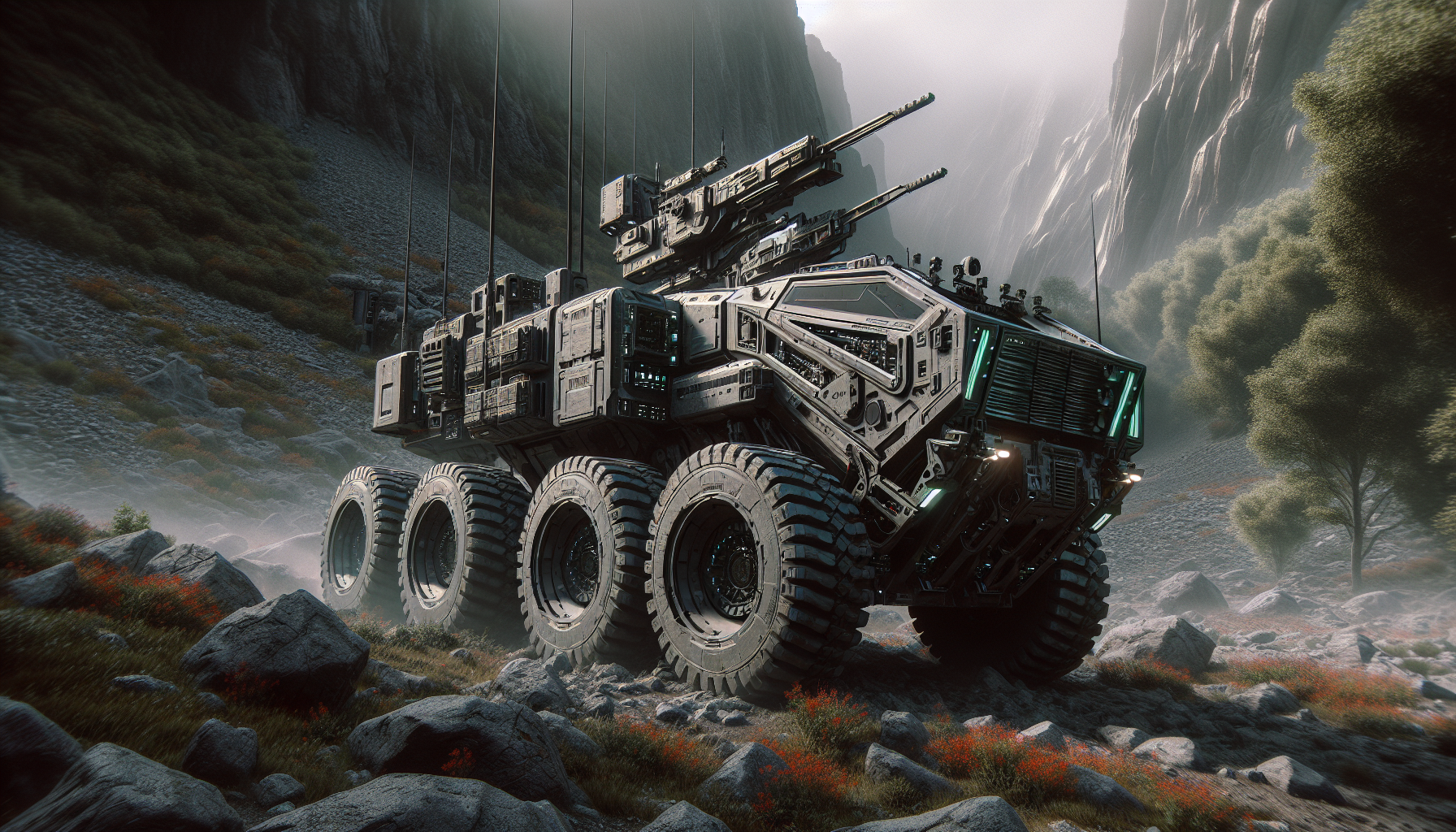
In a significant undertaking for the future of autonomous warfare, this month, the US Army in association with the Defense Innovation Unit selected three commercial enterprises—Neya Systems, Carnegie Robotics, and Robotic Research Autonomous Industries—to support the development of self-reliant, heavy-duty vehicles that can independently traverse through challenging terrains. These autonomous vehicles are intended to augment the restocking of soldiers in the field.
The agreements announced are valued at millions of dollars and denote the initial phase of what is anticipated to be a multi-stage venture. Considering the vision of the program and the complexity of the tasks involved, additional commitments of work and related financial funding are expected in the future.
What sets this effort apart is that it is not aimed at creating a novel product or idea but to permeate the existing defense apparatus with the virtue of autonomy. “The name of this game is to field autonomy,” remarked Kurt Bruck from Neya Systems.
A testament to this fact is the Defense Department’s vigorous investment strategy concerning technologies like artificial intelligence, autonomy, and computer vision. These technologies hold the promise to not only add more power but also an enhanced safety factor by enabling advanced machines and robots to navigate areas deemed too risky for human entrants.
One specific application of this initiative highlights the desire to transition the standard Oshkosh-made Palletized Load System—a well-beloved logistics and supply truck—into an autonomous entity. This transformation has twofold benefits: It significantly minimizes the risk to the lives of our soldiers and secondly, it can notably streamline the flow of essential supplies.
As the war persists in areas like Russia-Ukraine, the value of an autonomous logistical support vehicle shines through. Convoys form a vulnerable target in enemy territories. Therefore, employing autonomous vehicles to carry out these dangerous tasks can potentially save countless lives and keep our supply systems functional.
Looking ahead, the agreements awarded to the three companies mandate the delivery of four autonomous prototypes, to be evaluated throughout fiscal 2024. Eventually, one company will be chosen to furnish a total of 41 prototypes as per the plans laid out by the Army.
In conclusion, this strategic move towards advanced autonomy in military vehicles not only introduces us to new warfare technology but also poses critical questions about the future of warfighting and the application of AI in this domain.
To read more on this topic, visit the original article: [GEARS of war: US Army picks 3 companies to advance autonomous resupply](https://www.c4isrnet.com/unmanned/2023/12/19/gears-of-war-us-army-picks-3-companies-to-advance-autonomous-resupply/).
Original article: https://www.c4isrnet.com/unmanned/2023/12/19/gears-of-war-us-army-picks-3-companies-to-advance-autonomous-resupply/