In a dynamic and increasingly interconnected world, the conflicts we face now cross traditional boundaries and thrust us into unexplored territories. The complexities of 21st-century wars touch not only physical geographies and borders but also the vast unseen realms of digital platforms. Effective responses to these challenges necessitate an unprecedented level of coordination on a global scale.
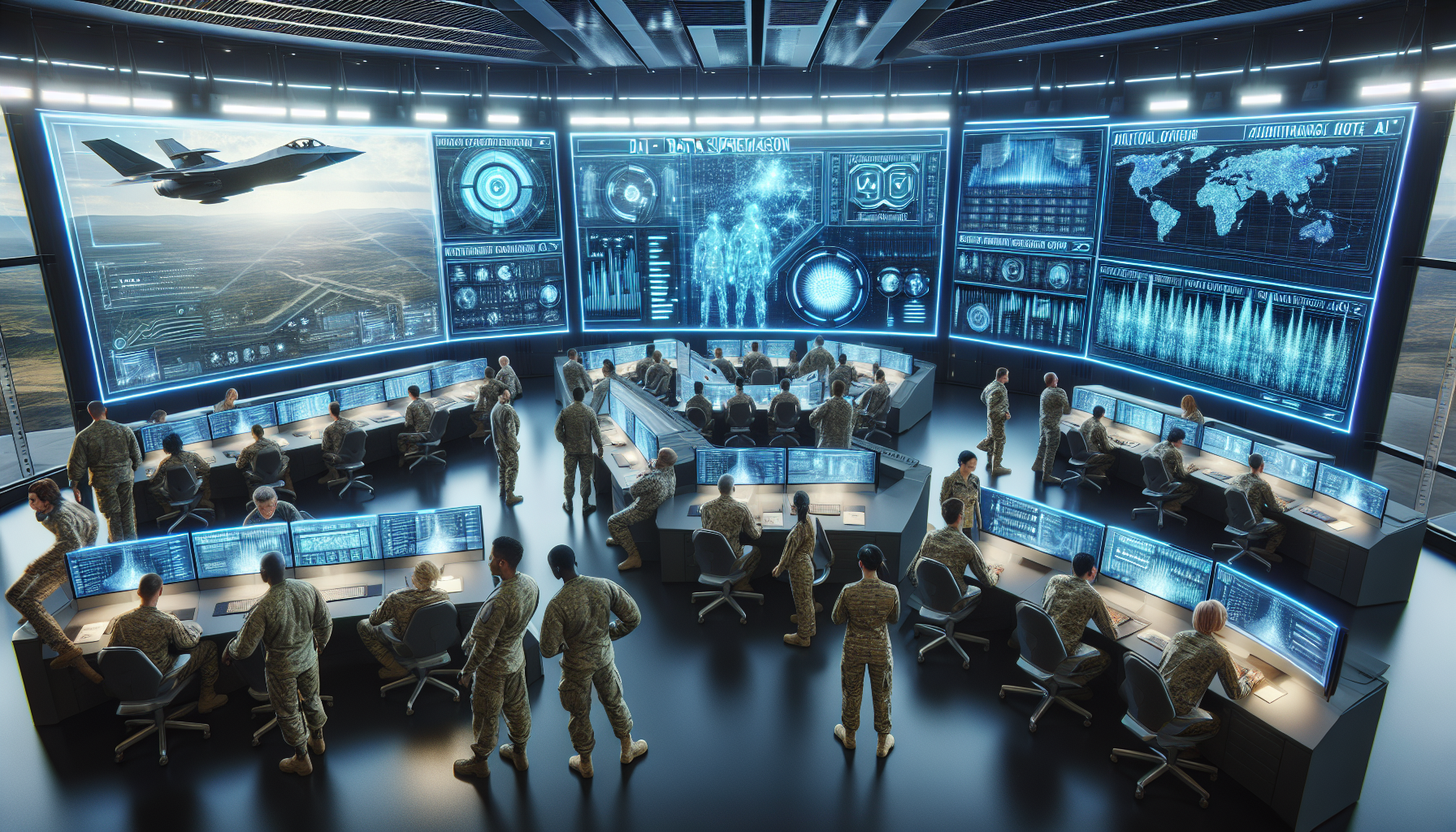
Recent remarks made by Admiral Grady, Vice Chairman of the Joint Chiefs of Staff Adm., at the AFA Conference underscored this reality. It is becoming evident that to be effective, U.S. military forces, along with our global allies, need to exert a comprehensive understanding of their operating environments. They must convincingly ‘sense and make sense’ of multifaceted data from various domains — space, air, land and the digital sphere — to enable effective decision-making.
However, it is essential to remember that these “decision-makers” imply not just our own forces, but each potential constellation of the allied forces. In the face of potential peer-to-peer warfare, recognizing the imperative of building robust command and control (C2) capabilities that take into account our entire cohort of allies and partners is paramount.
In the context of the Combined Joint All-Domain Command and Control (CJADC2), successful collaboration depends largely upon information superiority. But the existing concentration is overly skewed towards data analysis, often undermining the significance of true collaboration. Emerging technologies like AI and machine learning undeniably hold significant potential in deriving critical mission insights. However, the true opportunity lies in establishing seamless workflow interoperability encompassing activities such as planning, approvals, intelligence sharing, and deconfliction across various nations, branches, and roles.
Thus, the pressing task for modern defense strategy is three-fold:
1. It must encourage multinational connectivity, recognising that global collaboration and deconfliction are indispensable in responding to contemporary threats and achieving integrated deterrence.
2. It must ensure that the integrated workflows, from planning to execution and assessment, are not shrouded in the confines of particular departments, branches, or countries.
3. It must work towards creating a centralised framework that effectually integrates data relating to the U.S. military, adversaries, and our partners and allies.
Emphasizing these pillars not only accelerates mission agility but also propels us towards achieving actual deterrence. The future of national defense, therefore, lies in a meticulously orchestrated blending of technological innovations with human and organisational facets on a global scale.
For a more detailed discussion related to this, you may refer to the original article here.